ABOUT FORGOTTEN PAIN: AN UNTOLD STORY OF THE KOREAN WAR
About Forgotten Pain: An Untold Story of the Korean War
ABOUT FORGOTTEN PAIN: AN UNTOLD STORY OF THE KOREAN WAR
What is Forgotten Pain?
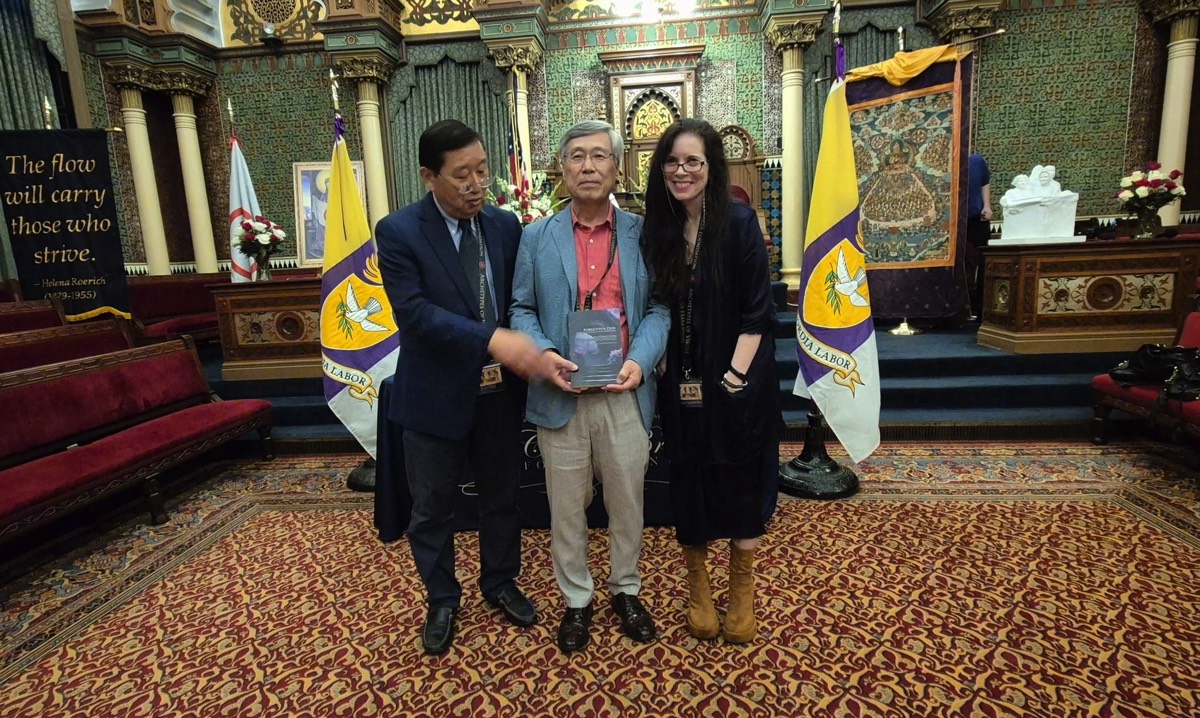
Forgotten Pain: An Untold Story of the Korean War is the first publicly available English translation of Chung Eun Yong’s 1994 memoir, Do You Know Our Pain? (Geudae, uriui apeumeul aneunga). Produced in 2025 by the Cora di Brazzà Foundation for the 75th anniversary of the Korean War and the No Gun Ri incident, the book invites readers to “enter the forest” of the Korean War through the lived experience of civilians caught within it — and to emerge in the present, where ongoing efforts for truth, peace, and reconciliation continue through projects such as the No Gun Ri Peace Park and the Duty to Remember.
What was the No Gun Ri incident?
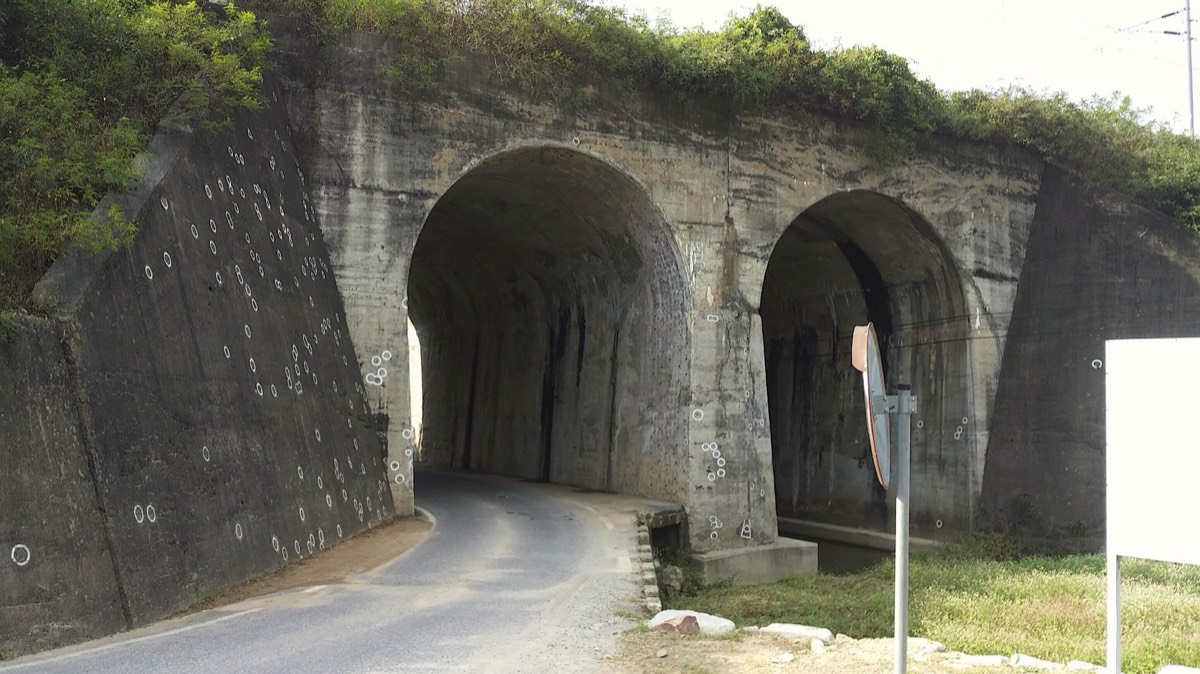
In late July 1950, during the opening weeks of the Korean War, hundreds of South Korean civilians, many of them women and children, were killed near No Gun Ri, South Korea. For decades, the story remained largely buried in silence and historical obscurity.
How did the story of No Gun Ri re-emerge?
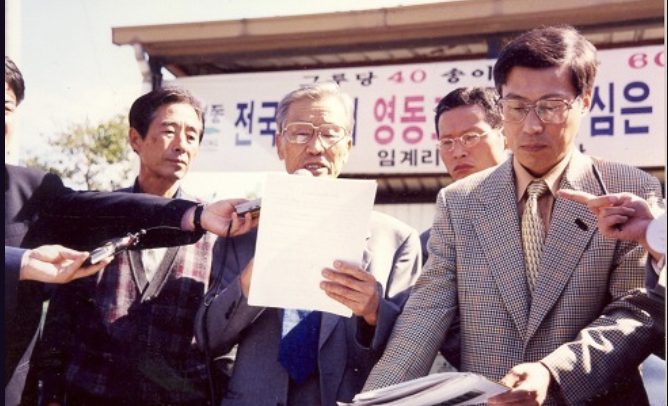
The effort to recover and preserve this history was led by Chung Eun Yong (1923–2014), whose family was directly devastated by the events.
Although Chung himself did not witness the killings firsthand, his wife survived the attack after being shot, and two of their children were killed during the incident and its aftermath. The tragedy profoundly shaped the course of his life.
Determined that the suffering of victims and families not disappear from history, Chung devoted decades to collecting testimony, preserving evidence, and seeking public recognition of what had occurred. In 1994, he published Do You Know Our Pain? (Geudae, uriui apeumeul aneunga), a landmark memoir that helped break decades of silence surrounding the incident.
The publication of Chung’s account initiated a long journey toward education, truth, accountability, and reconciliation — a journey that continues today.
What is the No Gun Ri Movement?
The No Gun Ri Movement is an ongoing effort led by survivors, families, scholars, educators, and peace advocates to preserve the memory of the incident and to transform suffering into a commitment to peace and human dignity.
The movement include a bilateral investigation conducted by the U.S. and Korea, and helped bring about important reforms in South Korea, including the agreement to establish the No Gun Ri Peace Park and Memorial in Yeongdong, South Korea, which opened in 2011.
What is the No Gun Ri Peace Park?
The No Gun Ri Peace Park is both a memorial and an educational institution dedicated to building a more just and humane world. Through exhibitions, educational programs, research initiatives, and international exchanges, the Peace Park seeks not only to remember the past, but also to cultivate a future grounded in peace, human rights, and reconciliation.
How is the No Gun Ri Movement connected to peace, human rights, truth, and reconciliation?
The No Gun Ri Movement demonstrates how historical memory can become a pathway toward peacebuilding. Rather than centering revenge or hatred, the movement has emphasized truth-telling, education, remembrance, and the dignity of victims.
It asks difficult questions about war, civilian protection, moral responsibility, and historical memory while also seeking forms of reconciliation that acknowledge suffering without erasing it.
What makes the No Gun Ri Movement unique?
One distinctive feature of the No Gun Ri Movement is its victim-centered approach to accountability and remembrance. The movement foregrounds the voices and experiences of survivors and families while emphasizing peace education and human solidarity rather than political polarization.
In this respect, No Gun Ri represents a unique model of historical remembrance: one that seeks accountability while simultaneously orienting itself toward reconciliation, education, and the prevention of future violence.